
Upskilling for the Future: How Entrepreneurs Can Stay Ahead of AI
David.Adderson (David Adderson) • May 26, 2023
How to Up-skill for the Future of Work: A Guide for Entrepreneurs

The AI revolution is here, and entrepreneurs must adapt to the ever-changing business landscape. Luckily, our guest, Matt Beswick, is here to guide you through it all! With years of experience under his belt, Matt will be sharing his insights into the impact of AI on the workforce and why upskilling is the need of the hour. From managing supply and demand to maintaining quality and core values, Matt has had to navigate numerous challenges on his entrepreneurial journey. In this article, he shares how he tackled these obstacles and seamlessly integrated AI into his business model. Entrepreneurship isn't always easy, but with Matt's advice and guidance, you can stay ahead of the curve and thrive in the era of AI.
My special guest is Matt Beswick
Meet Matt Beswick, a digital marketing whiz and co-founder of Era, a successful 50-person agency he started with his buddy Paddy back in 2015. Known for his knack in SEO and love for all things geeky, Matt's journey has seen him go from coding and innovating to leading a thriving company. With a passion for entrepreneurship that goes back to his teenage years, Matt's experience in gaming and the world of AI has shaped his perspective on the importance of upskilling in today's workforce. With a relaxed demeanor and friendly approach, Matt's insights on the impact of AI are sure to resonate with our entrepreneur audience.
Looking to the Future
The growing influence of AI in the workplace requires businesses to adapt and invest in the development of new skills. In the dynamic business environment, entrepreneurs must plan for the future by accepting the need to upskill existing staff, explore new training opportunities, and maintain a focus on the human aspect of the work. This proactive approach ensures a smoother integration of AI and human skillsets while keeping businesses competitive and sustainable. Matt Beswick is optimistic about the changes in the workplace brought about by AI. He shares his view that the increasing use of AI could lead to more human skill development and higher-level thinking in the workforce. Matt underlines the importance of nurturing a balance between AI and human capital, stating that businesses must double down on employee training and development. This ensures the team is equipped with the necessary capabilities to thrive in a rapidly changing landscape driven by AI.
Hiring Practices
In the ever-evolving business world, hiring the right talent and fostering a positive company culture have become increasingly important. Embracing thoughtful hiring processes and remaining open to change can significantly impact a business's success and stability. Entrepreneurs should prioritize finding employees that align with the business's values, focusing on long-term success and growth in the workforce. Matt Beswick shares his insights into the hiring process at Aira, emphasizing the importance of finding the right fit and avoiding a hire fast, fire fast mentality. He acknowledges that his approach may have slowed down growth at times, but contributed to the company's overall stability and employee satisfaction. Matt's experience offers valuable advice for business owners, highlighting the long-term benefits of investing in well-matched employees and thoughtfully built teams.
Different Approaches to Business
When exploring different approaches to business, the conversation between David and Matt Beswick underscores the significance of adapting to change and finding fulfillment beyond material possessions. Entrepreneurs should be open to different perspectives and tactics, being ready to reassess priorities and values as their businesses evolve. Adopting this mindset fosters resilience and flexibility, helping navigate the many ups and downs of entrepreneurship. During the podcast, Matt Beswick reflects on his past experiences with business growth and emphasizes the importance of prioritizing family and work-life balance. The conversation also highlights the value of having a business partner with a complementary perspective. In Matt's case, his business partner Catherine provides a more measured approach to decision-making, ensuring a well-rounded and robust strategic vision for their agency.
My special guest is Matt Beswick
Meet Matt Beswick, a digital marketing whiz and co-founder of Era, a successful 50-person agency he started with his buddy Paddy back in 2015. Known for his knack in SEO and love for all things geeky, Matt's journey has seen him go from coding and innovating to leading a thriving company. With a passion for entrepreneurship that goes back to his teenage years, Matt's experience in gaming and the world of AI has shaped his perspective on the importance of upskilling in today's workforce. With a relaxed demeanor and friendly approach, Matt's insights on the impact of AI are sure to resonate with our entrepreneur audience.
Looking to the Future
The growing influence of AI in the workplace requires businesses to adapt and invest in the development of new skills. In the dynamic business environment, entrepreneurs must plan for the future by accepting the need to upskill existing staff, explore new training opportunities, and maintain a focus on the human aspect of the work. This proactive approach ensures a smoother integration of AI and human skillsets while keeping businesses competitive and sustainable. Matt Beswick is optimistic about the changes in the workplace brought about by AI. He shares his view that the increasing use of AI could lead to more human skill development and higher-level thinking in the workforce. Matt underlines the importance of nurturing a balance between AI and human capital, stating that businesses must double down on employee training and development. This ensures the team is equipped with the necessary capabilities to thrive in a rapidly changing landscape driven by AI.
Hiring Practices
In the ever-evolving business world, hiring the right talent and fostering a positive company culture have become increasingly important. Embracing thoughtful hiring processes and remaining open to change can significantly impact a business's success and stability. Entrepreneurs should prioritize finding employees that align with the business's values, focusing on long-term success and growth in the workforce. Matt Beswick shares his insights into the hiring process at Aira, emphasizing the importance of finding the right fit and avoiding a hire fast, fire fast mentality. He acknowledges that his approach may have slowed down growth at times, but contributed to the company's overall stability and employee satisfaction. Matt's experience offers valuable advice for business owners, highlighting the long-term benefits of investing in well-matched employees and thoughtfully built teams.
Different Approaches to Business
When exploring different approaches to business, the conversation between David and Matt Beswick underscores the significance of adapting to change and finding fulfillment beyond material possessions. Entrepreneurs should be open to different perspectives and tactics, being ready to reassess priorities and values as their businesses evolve. Adopting this mindset fosters resilience and flexibility, helping navigate the many ups and downs of entrepreneurship. During the podcast, Matt Beswick reflects on his past experiences with business growth and emphasizes the importance of prioritizing family and work-life balance. The conversation also highlights the value of having a business partner with a complementary perspective. In Matt's case, his business partner Catherine provides a more measured approach to decision-making, ensuring a well-rounded and robust strategic vision for their agency.
The impact of AI on the workforce is a topic of utmost importance for entrepreneurs who want to stay relevant and competitive. By learning and upskilling ourselves and our teams, we can ensure that we are making the most of this new technology. Balancing the need for automation with the human touch, and growing our skills and knowledge will allow us to thrive in this new era.

In Part 1 of this series, Dr Anita Devi opened the conversation on the rising complexity of SEND and the need for intentional, values-driven provision. Her reflections focused on inclusive leadership, purposeful commissioning, and the principle that less can often be more . In this second part, I’d like to continue the conversation — but from a financial perspective. My name is Katherine Robertson. I’ve spent over 10 years working with organisations across sectors including the education sector, helping them to navigate their finances confidently and strategically. What I’ve learned over that time is simple: money follows priorities — but only when we lead with clarity . And now, with SEND needs rising faster than school income, we must work smarter than ever with the resources we have. 🎯 From Stockpiling to Strategic Spending In 2024, the Department for Education wrote to 64 academy trusts, concerned that some were holding onto reserves more than 100% of their annual income . These aren’t just large numbers — they are untapped opportunities. Of course, we know why these reserves exist: financial uncertainty, poor capital funding, and the understandable desire to protect future viability. But if money meant for today’s pupils is held for tomorrow’s problems , we risk doing a disservice to the very learners we aim to support. That’s why we’re asking an important question: Can schools and trusts use their reserves to strengthen inclusion and SEND support now, without compromising their long-term financial security? Our answer is yes — with the right approach. 🧩 Applying Financial Wisdom to Inclusive Practice We are not advocating reckless spending or draining reserves dry. On the contrary, we work with leaders to build a clear, defensible strategy for using reserves wisely , backed by robust modelling, compliance with DfE guidance, and an unwavering focus on improving outcomes for children with SEND. Together with Dr Anita Devi, we bring dual lens: educational insight and financial clarity. Here’s how we help to: ● Identify untapped funding within existing reserves ● Co-develop an evidence-led SEND investment plan ● Align to DfE expectations on reserve levels and financial health ● Build the narrative for governors, trustees, auditors and regulators ● Support ongoing evaluation to ensure value for money and impact It’s not about spending more. It’s about spending better . 🔄 Releasing Funds. Reinforcing Purpose. SEND needs are not going away — and nor are the financial pressures. But when finance and inclusion experts work together, we can unlock solutions that support both pupil outcomes and institutional resilience . With careful planning, strategic reserve use can: ● Fund early intervention ● Invest in staff development ● Improve provision infrastructure ● And reduce future costs from reactive SEND placements or escalation It’s a long-term gain — and a value-led approach to financial governance. 💬 Let’s Continue the Conversation If you’re sitting on reserves and wondering how best to use them — or if you’re just ready to rethink how your SEND resources are working for you — we’re here to help. We offer a tailored advisory service that helps schools and trusts plan, invest and lead with both head and heart. 📩 Reach out at SEND_Finance@youtopia.co.uk to book a preliminary conversation. Because sometimes, the smartest way to save — is to spend with purpose. Author: Katherine Robertson Strategic Finance Expert and Education Consultant In partnership with Dr Anita Devi – Leading SEND Specialist
Optimize spending for better SEND outcomes. Contact Youtopia Ltd for expert finance support in Milton Keynes.
Starting and growing a business is no easy feat.
Ever wondered how a small business survived by pivoting from exhibitions to outdoor cinemas during the pandemic?
Discover the unexpected source that helped a small business owner overcome burnout. It's not what you think. Stay tuned for the surprising twist!
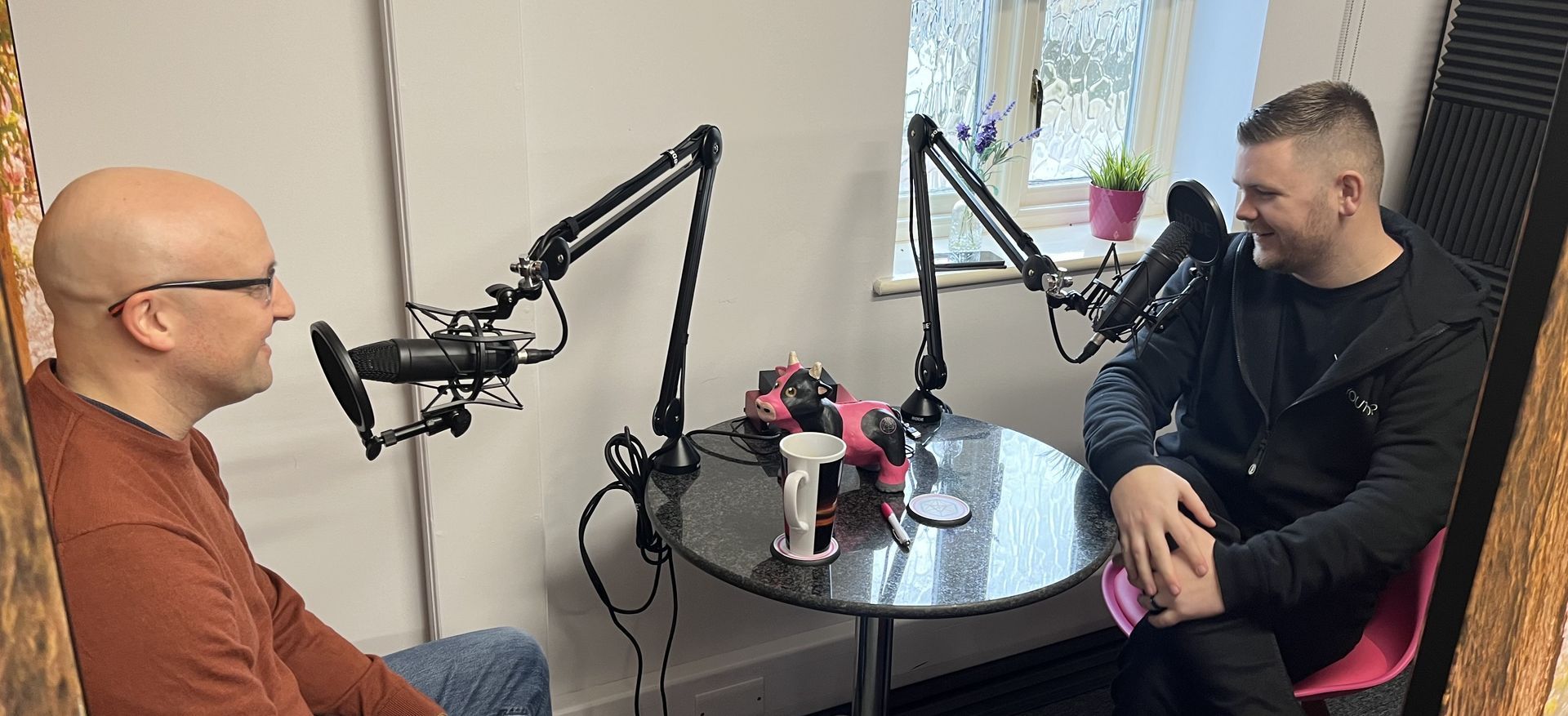
Running a small business is no easy feat.
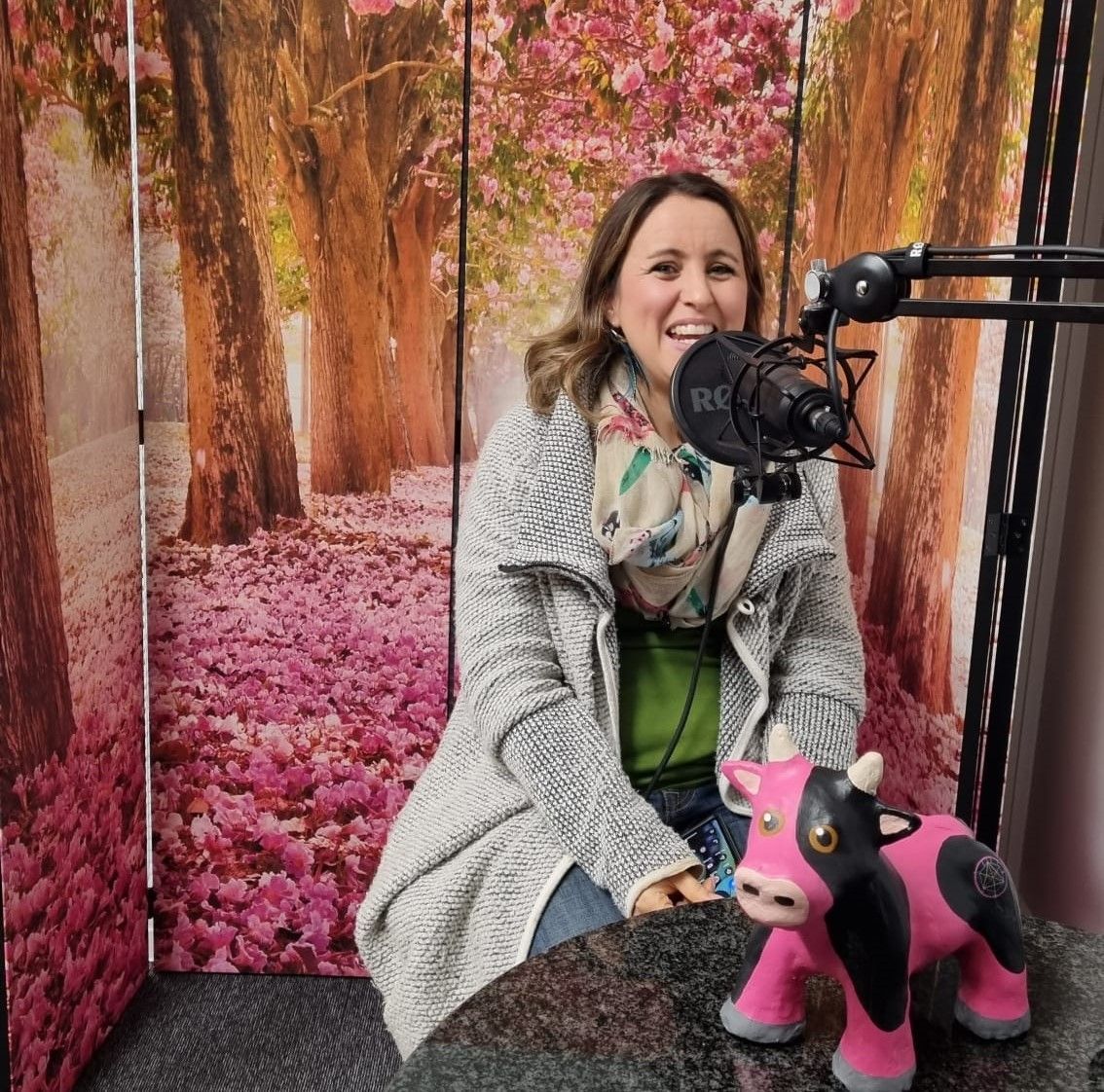
Finding balance as a working parent can feel like an impossible tightrope walk.
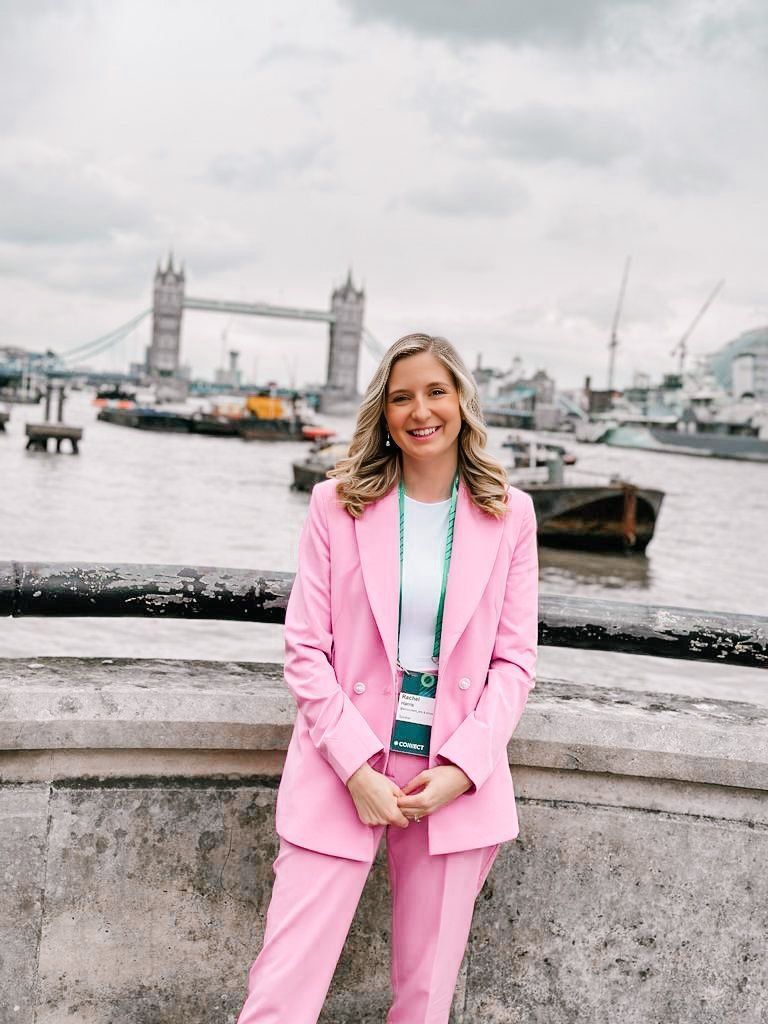
This is a subtitle for your new post
Gemma Downing is no stranger to adversity.