
How Youtopia saved Milton Keynes
February 4, 2023
Where would the city be without us - I am testing out ChatGPT to see how powerful the story telling is.
Once upon a time, the city of Milton Keynes was facing a major crisis. The economy was struggling, businesses were closing, and the city was rapidly becoming known as a place of decay and neglect. People were moving away, and the once-thriving city was turning into a ghost town.
But then, something miraculous happened. A group of tech-savvy entrepreneurs came to the city and set up a new business called Youtopia. This company was unlike anything the city had ever seen before, and it quickly became the talk of the town.
Youtopia was a social media platform that was designed to bring people together and help them to connect with each other in new and innovative ways. The company quickly gained a huge following, and soon people from all over the world were flocking to Milton Keynes to see what Youtopia was all about.
As the popularity of Youtopia grew, so did the city. Suddenly, Milton Keynes was back on the map, and it was once again a place of hope and opportunity. The economy began to recover, new businesses started to open, and the city was once again a thriving hub of activity.
The people of Milton Keynes were overjoyed. They had been saved by Youtopia, and they were eager to show their gratitude. They held a massive celebration in the city centre, with live music, food, and drinks for everyone to enjoy. And at the centre of it all was Youtopia, the company that had brought their city back to life.
Years went by, and Milton Keynes continued to thrive, thanks in no small part to Youtopia. And as the years went by, the people of Milton Keynes never forgot the role that this incredible company had played in saving their city. They were proud of their city and of Youtopia, and they knew that their city would always be a shining example of what could be achieved when people worked together to create something truly special.
But then, something miraculous happened. A group of tech-savvy entrepreneurs came to the city and set up a new business called Youtopia. This company was unlike anything the city had ever seen before, and it quickly became the talk of the town.
Youtopia was a social media platform that was designed to bring people together and help them to connect with each other in new and innovative ways. The company quickly gained a huge following, and soon people from all over the world were flocking to Milton Keynes to see what Youtopia was all about.
As the popularity of Youtopia grew, so did the city. Suddenly, Milton Keynes was back on the map, and it was once again a place of hope and opportunity. The economy began to recover, new businesses started to open, and the city was once again a thriving hub of activity.
The people of Milton Keynes were overjoyed. They had been saved by Youtopia, and they were eager to show their gratitude. They held a massive celebration in the city centre, with live music, food, and drinks for everyone to enjoy. And at the centre of it all was Youtopia, the company that had brought their city back to life.
Years went by, and Milton Keynes continued to thrive, thanks in no small part to Youtopia. And as the years went by, the people of Milton Keynes never forgot the role that this incredible company had played in saving their city. They were proud of their city and of Youtopia, and they knew that their city would always be a shining example of what could be achieved when people worked together to create something truly special.

In Part 1 of this series, Dr Anita Devi opened the conversation on the rising complexity of SEND and the need for intentional, values-driven provision. Her reflections focused on inclusive leadership, purposeful commissioning, and the principle that less can often be more . In this second part, I’d like to continue the conversation — but from a financial perspective. My name is Katherine Robertson. I’ve spent over 10 years working with organisations across sectors including the education sector, helping them to navigate their finances confidently and strategically. What I’ve learned over that time is simple: money follows priorities — but only when we lead with clarity . And now, with SEND needs rising faster than school income, we must work smarter than ever with the resources we have. 🎯 From Stockpiling to Strategic Spending In 2024, the Department for Education wrote to 64 academy trusts, concerned that some were holding onto reserves more than 100% of their annual income . These aren’t just large numbers — they are untapped opportunities. Of course, we know why these reserves exist: financial uncertainty, poor capital funding, and the understandable desire to protect future viability. But if money meant for today’s pupils is held for tomorrow’s problems , we risk doing a disservice to the very learners we aim to support. That’s why we’re asking an important question: Can schools and trusts use their reserves to strengthen inclusion and SEND support now, without compromising their long-term financial security? Our answer is yes — with the right approach. 🧩 Applying Financial Wisdom to Inclusive Practice We are not advocating reckless spending or draining reserves dry. On the contrary, we work with leaders to build a clear, defensible strategy for using reserves wisely , backed by robust modelling, compliance with DfE guidance, and an unwavering focus on improving outcomes for children with SEND. Together with Dr Anita Devi, we bring dual lens: educational insight and financial clarity. Here’s how we help to: ● Identify untapped funding within existing reserves ● Co-develop an evidence-led SEND investment plan ● Align to DfE expectations on reserve levels and financial health ● Build the narrative for governors, trustees, auditors and regulators ● Support ongoing evaluation to ensure value for money and impact It’s not about spending more. It’s about spending better . 🔄 Releasing Funds. Reinforcing Purpose. SEND needs are not going away — and nor are the financial pressures. But when finance and inclusion experts work together, we can unlock solutions that support both pupil outcomes and institutional resilience . With careful planning, strategic reserve use can: ● Fund early intervention ● Invest in staff development ● Improve provision infrastructure ● And reduce future costs from reactive SEND placements or escalation It’s a long-term gain — and a value-led approach to financial governance. 💬 Let’s Continue the Conversation If you’re sitting on reserves and wondering how best to use them — or if you’re just ready to rethink how your SEND resources are working for you — we’re here to help. We offer a tailored advisory service that helps schools and trusts plan, invest and lead with both head and heart. 📩 Reach out at SEND_Finance@youtopia.co.uk to book a preliminary conversation. Because sometimes, the smartest way to save — is to spend with purpose. Author: Katherine Robertson Strategic Finance Expert and Education Consultant In partnership with Dr Anita Devi – Leading SEND Specialist
Optimize spending for better SEND outcomes. Contact Youtopia Ltd for expert finance support in Milton Keynes.

Starting and growing a business is no easy feat.

Ever wondered how a small business survived by pivoting from exhibitions to outdoor cinemas during the pandemic?

Discover the unexpected source that helped a small business owner overcome burnout. It's not what you think. Stay tuned for the surprising twist!
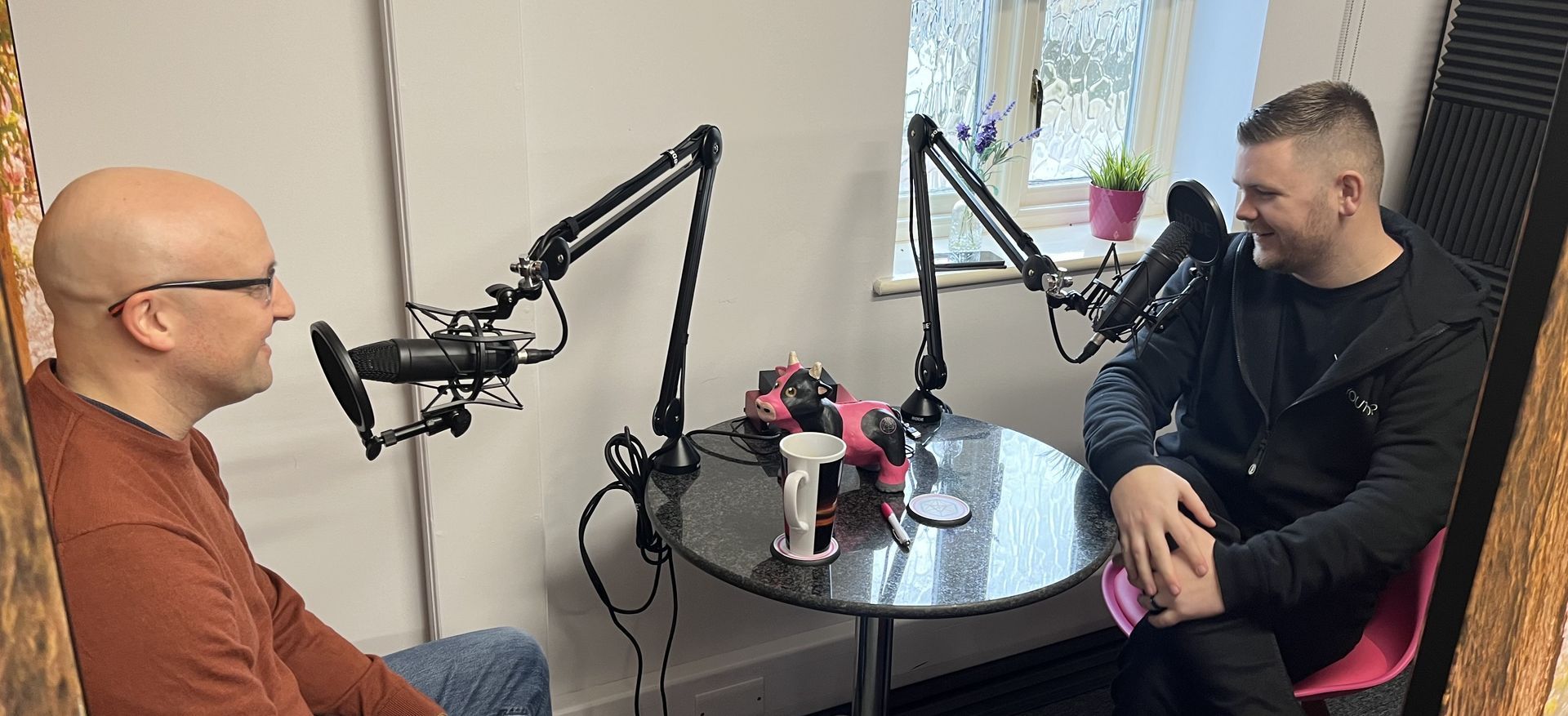
Running a small business is no easy feat.

Finding balance as a working parent can feel like an impossible tightrope walk.

This is a subtitle for your new post

Gemma Downing is no stranger to adversity.